



Key Takeaways
- Book your mover as early as you can. Good crews and good dates get reserved weeks in advance, especially in summer.
- Get a virtual estimate rather than a phone quote. It is more accurate and it means fewer surprises on moving day.
- Declutter before the estimate, not after. Every pound you do not move is money you do not spend on a weight based long distance move.
- Pack an essentials bag that travels with you, not on the truck. You will need it the first night.
- Confirm your delivery window in writing. Long distance shipments arrive within a window of days, not a guaranteed single date.
- Keep valuables, documents, and anything irreplaceable with you personally. Insurance can replace a lot of things. It cannot replace a wedding ring that was your grandmother’s.
We talk to people every day who are about to make a long distance move, and a lot of the questions are the same. What should I actually do differently for a long move versus a local one? What do people wish they had known? What is the one thing that trips everybody up?
So here is our real answer. Not a generic list pulled from somewhere else, but the tips that actually come up again and again when we talk to people before and after their move.
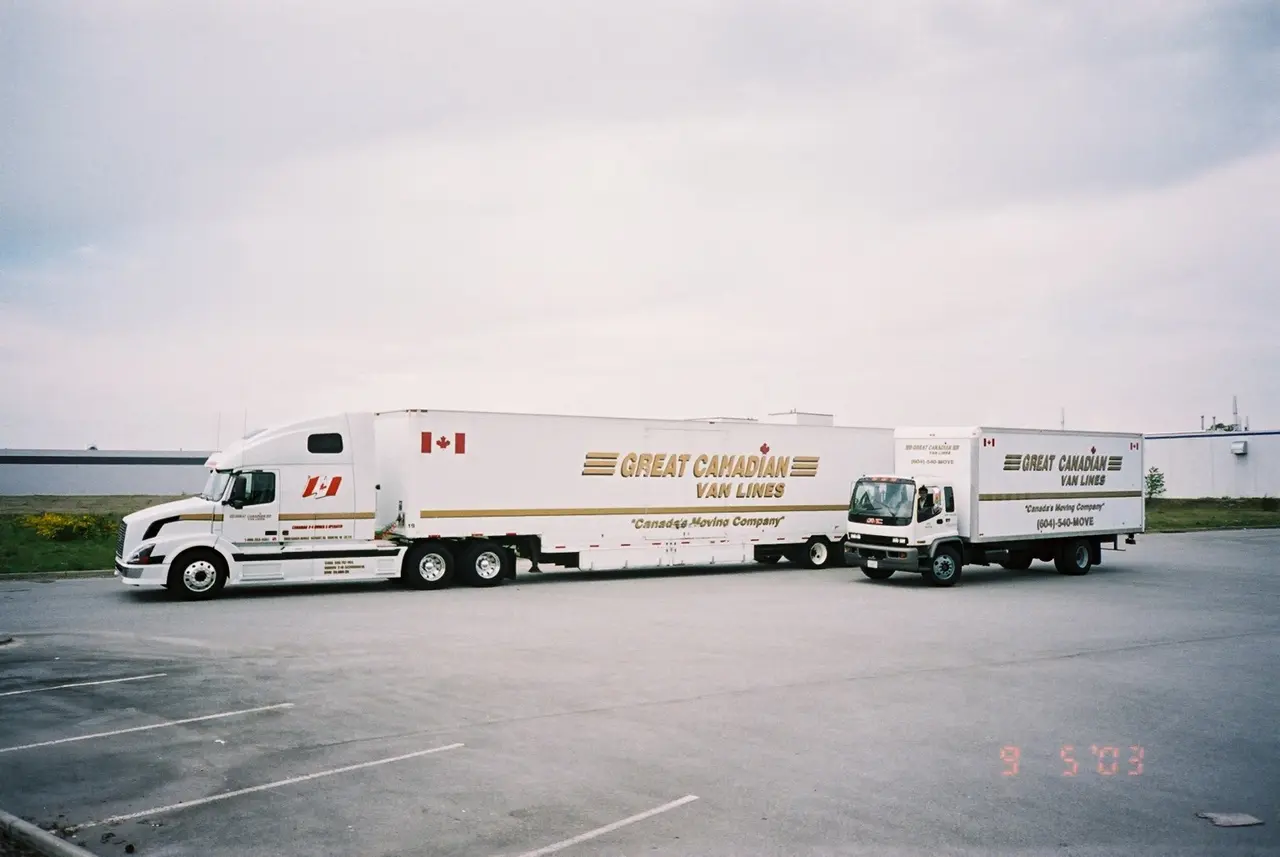
Planning a cross country move? Get a free estimate from Great Canadian Van Lines and we will walk you through exactly what to expect.
Before You Book
Start earlier than feels necessary
This is the number one thing. Almost everyone who has a rough long distance move started planning later than they should have. Eight to twelve weeks before your move date is the sweet spot for booking a mover, especially if you are moving in summer. The good crews and the good dates go first.
Get a virtual estimate, not just a phone quote
A phone estimate is a guess based on what you describe. A virtual estimate estimate, where someone actually walks through your home virtually and looks at what you have, is far more accurate. For a long distance move where pricing is based on weight, accuracy matters a lot more than it does for a quick local job.
Get three quotes, and make sure they cover the same things
Compare quotes that include the same scope. Same services, same insurance terms, same delivery window. A quote that looks cheaper might be missing something the others include. If one quote is dramatically lower than the other two, that is worth asking about, not just taking.
Want a full breakdown of how to vet a mover? Read our guide to choosing a moving company, where we cover CAM membership, insurance checks, and the questions that protect you.
Before You Pack
Declutter before the estimate, not after
For a long distance move, your price is based on weight. Every box you do not bring is money you do not spend. The best time to get rid of things is before the estimator comes through, not after you have already been quoted. If you declutter afterward, you will need a revised quote to actually see the savings.
Start with what you use the least
Storage rooms, the garage, the attic, off season clothes. These are the easiest things to pack weeks ahead of time because you will not miss them. Save the kitchen and the bedroom for the final stretch.
Want a full packing schedule by home size? Read our guide on how long it takes to pack for a move, with room by room timelines and a week by week packing plan.
Use real packing materials, not whatever is lying around
For a long haul, your boxes are going to be on a truck for days, possibly with road vibration the whole way. Proper packing paper, sturdy boxes, and real tape make a difference that newspaper and grocery bags do not. Heavier items go in smaller boxes so nobody throws their back out and so the box does not fail.
Money and Paperwork
Understand binding versus non-binding estimates
A binding estimate is a guaranteed price. A non-binding estimate is based on an assessed weight and gets confirmed by an actual weigh-in on moving day. Most long distance moves in Canada use non-binding estimates. Know which one you have, and know you have the right to be there for the weigh-in.
Ask about every possible extra charge upfront
Fuel surcharges, stair fees, long carry fees if the truck cannot park close to your door. Get the full list of what might be added before you sign anything. A mover who is upfront about this is a mover worth trusting.
Keep your receipts
If you are claiming moving expenses on your taxes, or if you need to file a damage claim later, you will want your moving invoice, your packing material receipts, and photos of anything valuable before it went on the truck.
Moving Day and the Drive
Pack your essentials bag like you mean it
Phone chargers, a change of clothes, toiletries, medication, important documents, snacks, and anything you would need if your delivery were delayed by a day or two. This bag travels with you, never on the truck. If your delivery is running late, this bag is what gets you through.
Keep the irreplaceable stuff with you
Jewellery, passports, family photos, anything that cannot be replaced no matter what insurance says. These should be in your car or your carry-on, not in a box on the truck. Insurance can pay you back for a lot of things. It cannot recreate a one of a kind item.
Be there for both weigh-ins if you can
Your mover will weigh the truck before loading and after. You have the right to be present for both. If the numbers seem off, you can request a re-weigh. Most people never think to ask about this, but it is your protection if a final bill looks higher than expected.
Know your delivery window before you plan anything else
Long distance shipments arrive within a window, usually a few days, not on one guaranteed date. Get that window in writing and do not book anything around a single specific day. If you are renting in the meantime, build in some buffer.
After You Arrive
Inspect everything before you sign the delivery receipt
Walk through and check your major items before you sign. If something is damaged, note it on the receipt right there. Once you sign a clean receipt, making a claim later gets a lot harder.
Take care of your provincial paperwork early
New provinces mean new health coverage, a new driver’s licence, and new vehicle registration, usually within 30 to 90 days depending on where you land. Put the deadlines in your calendar in the first week so they do not sneak up on you.
Settling into your new city and home? Read our guide on how to settle into a new home and neighbourhood, covers the timeline for feeling at home and the practical steps that help.
The One Thing Most People Wish They Had Done
If we had to pick the single most common regret we hear about, it is this. People wish they had started earlier. Not by a huge amount. Just a week or two more lead time on booking, a bit more time to declutter properly, a little more breathing room before the truck shows up. Almost nothing about a long distance move gets worse with more time, and almost everything about it gets harder when it is rushed.
Want the full process from start to finish? Read our complete guide to moving across Canada where we cover the whole timeline, the costs, and what to do at every stage.
Ready to start planning your move? Get a free long distance moving estimate from Great Canadian Van Lines and we will give you a clear answer, not a runaround.
