



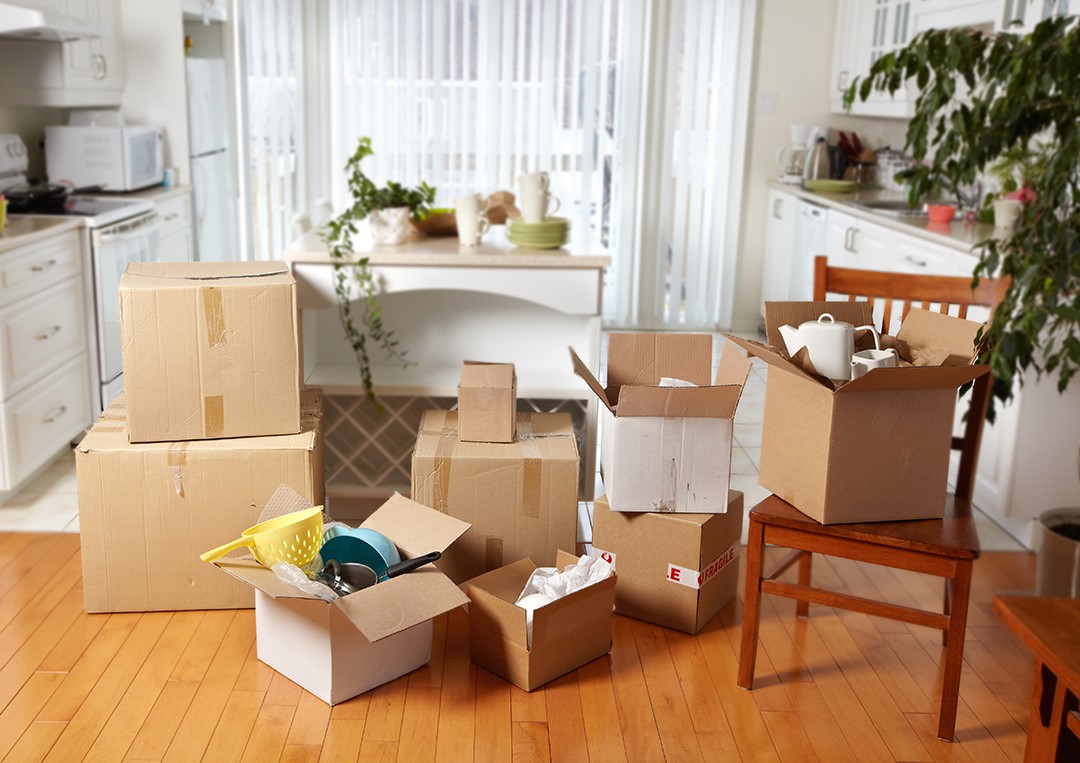
Packing is the part of moving that almost everyone underestimates. People who’ve moved before know this well: what looked like a week of casual evenings has a way of turning into a desperate all-nighter before the truck arrives. It happens because packing a home is genuinely more involved than it looks until you’re standing in front of a fully furnished room with an empty box in your hand.
The honest answer to how long packing takes depends on the size of your home, how much stuff you have, how organized you want to be at the other end, and whether you’re doing it yourself or bringing in professional packers.
In this guide we’ll give you realistic time estimates for every home size, a room-by-room breakdown of where the time actually goes, a practical week-by-week packing schedule you can start using today, and the tips that make the biggest difference.
Packing Time Estimates at a Glance
Here are realistic time ranges for both DIY packing and professional packing, broken down by home size. The DIY estimates assume a normally furnished home with one or two people packing during evenings and weekends, taking some care with organization. The professional packing estimates are for a trained crew working continuously.
| Home Size | DIY Packing | Professional Crew | Start Packing By |
| Studio / Bachelor | 4–8 hours (1 day) | 1.5–3 hours | 1 week before |
| 1-Bedroom Apartment | 6–16 hours (1–2 days) | 2–4 hours | 1–2 weeks before |
| 2-Bedroom Home | 1–2 days | 3–5 hours | 2–3 weeks before |
| 3-Bedroom Home | 3–5 days | 5–7 hours | 4–5 weeks before |
| 4-Bedroom Home | 4–7 days | 6–10 hours | 5–6 weeks before |
| 5+ Bedroom Home | 7–10+ days | 8–12+ hours | 6–8 weeks before |
Why Packing Takes Longer Than You Expect
Most people mentally picture packing as the physical act of putting things in boxes. That part, the actual boxing, is usually faster than anticipated. What takes the time is everything around it: the decisions, the preparation, the wrapping, the labelling, and the inevitable confrontation with belongings you haven’t thought about in years.
Decision Fatigue
Packing forces you to make decisions about every single object you own. Keep, donate, sell, toss, repeated hundreds or thousands of times across a move. Each decision takes a few seconds to a few minutes, and the cumulative time is significant. This is why decluttering before you start packing is one of the best things you can do. Fewer objects means fewer decisions, and the packing itself goes much faster.
Wrapping Fragile Items
Kitchens are the single most time-consuming room in most homes to pack, and the reason is because they hold fragile items. Plates, glasses, mugs, bowls, serving dishes, each one needs to be individually wrapped and cushioned in the box. A kitchen with a full set of dishes, glassware, and bakeware can take three to five hours on its own, even for an experienced packer. Most people don’t anticipate this until they’re three hours in and haven’t finished the upper cabinets.
Hidden Storage and Forgotten Spaces
The garage, attic, crawl space, shed, storage lockers, under-stair cupboards, these are the spaces that don’t register in the initial mental inventory but add significant time. A garage alone can represent a full day of packing, particularly if it contains tools, sports equipment and years of accumulated miscellany. When estimating your packing timeline, do a physical walk-through of every storage space in the home and factor each one in explicitly.
Assembling Supplies Mid-Pack
Running out of boxes, tape, or packing paper mid-session creates stops and starts that break momentum and add time. A hardware run in the middle of packing a room is a bigger disruption than it sounds. Over-order supplies before you start, it’s far better to have boxes left over than to run out on a Saturday evening when stores are closing.
How Long Each Room Takes to Pack
The time varies considerably room to room, mostly because of fragility, not volume. Here’s a realistic breakdown of where the hours go in an average home, along with the main time factors and tips for each room.
Kitchen: 3–5 Hours
The kitchen is the most labour-intensive room in the house to pack and should be scheduled as a dedicated block of time. The combination of fragile items (dishes, glasses, ceramics), awkward items (appliances, pots and pans), and the sheer number of individual pieces makes it the room that surprises people most.
Wrap plates in packing paper and stand them on their edges in boxes. They travel better and are less likely to break than when stacked flat. Wrap glasses individually in paper and fill the interior cavity with crumpled paper for extra cushioning.
Reserve your most-used kitchen items (coffee maker, a pot, a few plates) for the last box you pack, clearly labelled ‘Open First.’ You’ll want these accessible in the new home before anything else is unpacked.
Living Room: 2–4 Hours
The living room is typically faster than it looks because most of the volume is soft furnishings and electronics, not fragile small items. Books are the main exception, as they’re heavy and should always go in small boxes, filled only partway to keep the weight manageable.
Electronics should be photographed before disconnecting so you have a reference for reassembly. Use the original boxes for TVs and monitors where possible; if you don’t have them, double box with generous padding.
Artwork and framed pictures require more care than most people give them. Wrap each frame in a layer of packing paper, then a layer of bubble wrap, and label the box ‘Fragile Artwork’ on all sides.
Mirror boxes, available at most moving supply stores, are worth buying for large mirrors and framed pieces.
Bedrooms: 1–3 Hours Each
Bedrooms vary mainly by wardrobe size. A lightly furnished bedroom with a minimal wardrobe pack in an hour or so. A master bedroom with a large walk-in closet full of clothes, shoes, accessories, and personal items can take half a day.
Wardrobe boxes are one of the best investments for a move. They let you transfer hanging clothes directly without folding, which saves time packing and again when unpacking.
For dresser drawers, you have options. If the dresser is lightweight and the drawers are secured, you can sometimes leave clothes inside and wrap the whole dresser in stretch wrap (check with your movers whether this is acceptable). For heavier dressers, remove the drawers and pack them as individual flat boxes of folded clothes.
Shoes pack best in their original boxes; if you don’t have those, wrap pairs together in tissue paper and nest them toe-to-heel in medium boxes.
Bathrooms: 30–60 Minutes Each
Bathrooms are generally quick to pack because there’s less to wrap, but a few things need attention. Liquids 9shampoo, cleaning products, anything with a cap) should be secured with tape over the lid and placed upright in plastic bags before going in boxes. Even a small shampoo spill can ruin a box of other items. Prescription medications and valuable toiletries should travel with you personally rather than in the moving truck.
Home Office: 2–4 Hours
The home office packs faster physically than a kitchen but often takes longer overall because of the decision-making involved. Files, documents, cables, old technology, and reference materials all require sorting as much as packing. Before packing the office, do a first pass to shred or discard papers you don’t need. Photograph the back of your desk setup before disconnecting cables. Use cable ties or rubber bands to bundle cables by device and label them.
Important documents like passports, financial records, insurance papers, tax returns should not go in the moving truck. Pack these in a personal bag or file box that travels with you.
Garage/Basement/Storage Areas: Half a Day to 2 Days
These spaces are the wildcard in any packing timeline. A tidy garage with organized shelving might take a few hours. A basement that doubles as a storage room, workshop, and overflow space for 15 years of accumulated household items can take two full days. The key difference is the pre-work: the more decluttering and sorting you do in these spaces before packing starts, the faster the packing goes.
Tools should be wrapped or bundled to prevent damage and injury. Hazardous materials like paint, solvents, fuel, and pesticides cannot travel in a moving truck and need to be disposed of appropriately before your move date. Check with your municipality for hazardous waste disposal options. Don’t leave this until the day before, trust us.
A Week-by-Week Packing Schedule
The most common packing mistake is starting too late. By the time most people realize they’re behind, its two days from moving day and still have a full kitchen, two bedrooms, and the garage to go.
The schedule we built below is around a six-week timeline, which will work for a three or four-bedroom home. Adjust the start point based on your home size using the reference table at the top of this article.
| Timeframe | What to Focus On |
| 6 Weeks Out | Collect packing supplies (boxes, tape, paper, bubble wrap, markers). More than you think you need. Book professional movers or packing services if using them. Start the garage, basement, attic, and shed. These always take longer than expected and contain the most disposal decisions. |
| 5 Weeks Out | Declutter room by room. Donate, sell, or discard anything you don’t want to move. A donation run now means fewer boxes later. Start packing off-season items: holiday decorations, seasonal clothing, sports gear, camping equipment, books you’ve already read. |
| 4 Weeks Out | Pack items used infrequently: guest room contents, spare bedding, formal dinnerware, hobby supplies, bookshelves, artwork and wall décor. Label every box on at least two sides with room and general contents. |
| 3 Weeks Out | Pack secondary bedrooms fully. Begin the home office (files, non-essential tech, reference materials). Pack the living room minus daily-use items. Start garage if not done. |
| 2 Weeks Out | Pack the master bedroom (leave out a week’s worth of clothing and essentials). Pack bathrooms except daily-use items. Tackle any remaining storage areas. Confirm packing supplies are stocked for final push. |
| 1 Week Out | Pack the kitchen: leave out only what you need for the final days. Create your ‘Open First’ box: coffee maker, a few dishes, toilet paper, phone chargers, medications, a change of clothes, basic cleaning supplies. Pack remaining clothing and daily-use items. |
| Moving Day | Load the ‘Open First’ box last so it comes off the truck first. Do a final walk-through of every room, closet, drawer, cabinet, and storage space — including the attic and garage. Don’t forget items in the fridge, laundry room, and mounted on walls. |
Packing Tips That Actually Make a Difference
There’s no shortage of generic packing advice online. Here are the ones that make a measurable difference to either speed, organization, or safety, the things experienced movers actually do.
Pack One Room Completely Before Starting Another
Partial progress across multiple rooms creates a home that looks perpetually unfinished and makes it hard to track what’s actually done. Finishing one room completely, even if it’s a small one, gives you a clear win, an uncluttered space, and momentum to carry into the next. Work from least-used rooms to most-used, so daily life is minimally disrupted for as long as possible.
Use the Right Box Sizes for the Right Items
Small boxes for heavy items (books, tools, canned goods, dishes). Large boxes for light items (pillows, linens, lampshades, clothing). This sounds simple but first-time movers generally make this mistake and end up with large boxes that are too heavy to carry and small boxes full of air. A large box packed with books can exceed 50 kg and is a back injury waiting to happen.
Fill Every Box Completely
A box with empty space at the top will cave when stacked, potentially crushing whatever is inside. Fill gaps with crumpled packing paper, dish cloths, or soft items like socks to bring each box to full capacity before sealing. A full, firm box also won’t shift during transport, which protects the contents better than any amount of bubble wrap.
Label the Top and Two Sides of Every Box
Boxes get stacked in trucks and storage areas in unpredictable orientations. A label on only the top of a box tells you nothing once another box is sitting on it. Labels on two sides ensure at least one is always visible no matter how the box is positioned. Include the destination room, a brief description of contents, and ‘FRAGILE’ or ‘THIS SIDE UP’ where relevant.
Create a ‘Do Not Pack’ Zone
Designate a corner of one room as the zone for things that must not go on the truck: important documents, medications, valuables, phone chargers, the ‘Open First’ box, keys, and anything you’ll need immediately on moving day and the day after. Once something is in this zone, it doesn’t get moved into a box. This prevents the very common scenario of needing something critical and realizing it’s sealed in an unlabelled box somewhere on the truck.
Take Photos of Everything Electronic Before Disconnecting
Spend five minutes photographing the back of your TV, your computer setup, your router, your home theatre system, and any other cabled device before you disconnect anything. This reference makes reassembly at the other end way faster and prevents the frustration of staring at a pile of cables trying to remember which HDMI goes where.
Use Your Soft Items as Packing Material
Towels, tea towels, scarves, socks, and cloth napkins all make excellent wrapping and padding material. Wrapping breakable items in towels and linens serves two purposes at once: it protects the fragile items and gets the soft items packed. It also reduces the amount of packing paper you need to buy. Stuffing pots with smaller kitchen items (wooden spoons, spatulas, small containers) and nesting mixing bowls inside each other with paper between each one are examples of the same logic.
Should You Pack Yourself or Hire Professional Packers?
For most long-distance moves, the question of whether to use professional packing services deserves a genuine cost-benefit assessment rather than a reflexive answer.
The Case for Packing Yourself
Self-packing gives you full control over what goes where and how it’s organized. You decide what gets packed, what gets donated, and what gets special treatment. It’s less expensive than hiring packers, and many people find value in the process of going through their belongings before a move. For smaller homes and for people with ample time before their move date, self-packing is entirely manageable with the right timeline and supplies.
The Case for Professional Packers
Professional movers pack faster, more efficiently, and with a great deal more experience handling fragile and difficult items than most homeowners. A crew that can pack a three-bedroom house in five to seven hours would take most people three to four days. For busy households, families with young children, people with demanding work schedules, or anyone moving on a tight timeline, the time savings alone can justify the cost.
Start Earlier Than You Think You Need To
The single piece of advice that helps more people more than any other: start packing earlier than feels necessary. If your gut says three weeks is plenty of time, start four weeks out. If you think you can do it in a week of evenings, start two weeks out and use the buffer you’ll almost certainly need.
If you’d rather leave the packing to people who do it every day, Great Canadian Van Lines offers professional packing services as part of our moving packages across Canada. Get a free estimate today, and arrive at your new home knowing everything is packed properly, labelled clearly, and ready to unpack.
