




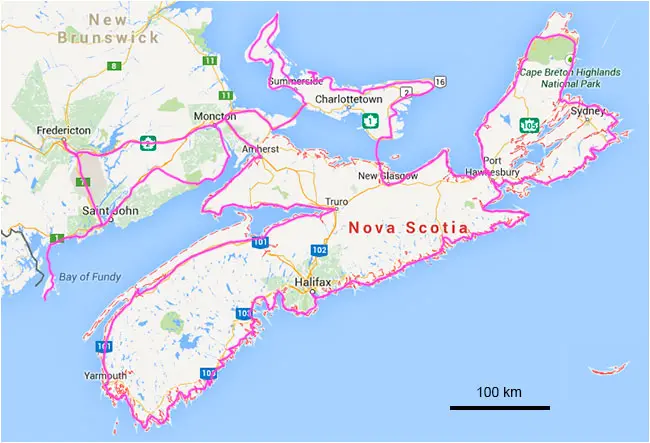
Moving to the East Coast of Canada can be an exciting yet daunting experience. Known for its stunning landscapes, friendly communities, and rich maritime culture, it’s no wonder so many are drawn to this picturesque region. However, before embarking on this new chapter, there are a few things you should consider to make your transition smooth and enjoyable.
1. Understanding the Weather Patterns
The East Coast is notorious for its varied weather conditions. From blustery winters to mild summers, understanding the climate will help you prepare your move appropriately. Make sure to pack according to seasonal requirements and be ready for unpredictable changes.
Winter on the East Coast can be particularly harsh, with heavy snowfalls and icy conditions common from December through March. It’s essential to own proper winter gear, including sturdy boots, heavy coats, and snow removal tools. Summers, on the other hand, are generally warm but can be humid, requiring light, breathable clothing. Being prepared for these extremes ensures that you remain comfortable and adaptive, no matter when your move takes place.
Don’t underestimate the transitional seasons of spring and fall which bring their own set of challenges and beauties. Spring is often marked by drizzle and unpredictable temperatures, while fall, although beautiful with its vibrant foliage, can quickly shift to frosty conditions. Planning your move during these times requires flexibility and a close eye on weather forecasts to avoid any surprises.
2. Choosing the Right Community
Each province on the East Coast has its unique charm and character. Do your research to find a community that aligns with your lifestyle preferences, whether it’s the vibrant city life of Halifax or the serene shores of Prince Edward Island.
Halifax, with its bustling waterfront and robust cultural scene, offers a plethora of activities for both families and young professionals. It’s a city rich in history, boasting numerous museums and landmarks. On the flip side, if you seek tranquility and a slower pace, consider the quaint villages of Prince Edward Island, where life revolves around the natural beauty of the land and sea. Community newsletters and local forums can provide insider perspectives on day-to-day life, assisting you in making a well-informed decision.
3. Finding Employment Opportunities
The job market varies across the East Coast, and understanding the economic landscape can help you secure employment. Networking and reaching out to local contacts can provide valuable insights into available opportunities in your field.
Industries like agriculture, fisheries, and tourism are significant economic drivers in the region, with many job opportunities available in these fields. Joining local professional networks or attending industry events can be a game-changer in discovering job openings and gaining introductions to potential employers. Leverage job portals and career fairs to interact with local companies actively hiring. Consider polishing your resume and online profiles to ensure you’re ready when opportunities arise.
4. Exploring Local Culture and Cuisine
Immerse yourself in the rich culture and traditions of the East Coast by trying local dishes such as seafood chowder and lobster rolls. Participating in community events and festivals can also offer a profound connection to the local way of life.
From the lively ceilidhs in Nova Scotia to the rich Acadian traditions of New Brunswick, each event tells a fascinating story of the region’s history and heritage. The East Coast is also known for its warm hospitality, an attribute that makes it easy to feel at home. Trying your hand at traditional crafts or attending workshops can also enhance your appreciation for the local craftsmanship. Don’t shy away from these experiences; embrace them to blend in and learn more about your new home.
5. Considering Door-to-Door Moving Services
A door-to-door moving service can ease the stress of relocation by handling logistics from start to finish. These services can be particularly beneficial if you’re moving long-distance, ensuring that your belongings arrive safely and on time.
Door-to-door services can tailor their offerings to fit your specific needs, whether it’s packing fragile items or transporting large furniture. They can also assist in disassembling and reassembling items for safe transportation. For individuals with a busy schedule or those moving with families, this convenience is invaluable. When selecting a service, ensure they are well-regarded and reputable by seeking reviews and testimonials. Clearly outline your expectations to avoid any misunderstandings, allowing you to focus on settling into your new surroundings with peace of mind.
As you plan your move, consider also reviewing the questions you need to ask professional movers during consultations. Getting the right moving service can significantly impact your overall experience, saving you time, money, and a great deal of stress. The right choice of movers makes all the difference in your East Coast adventure.
