



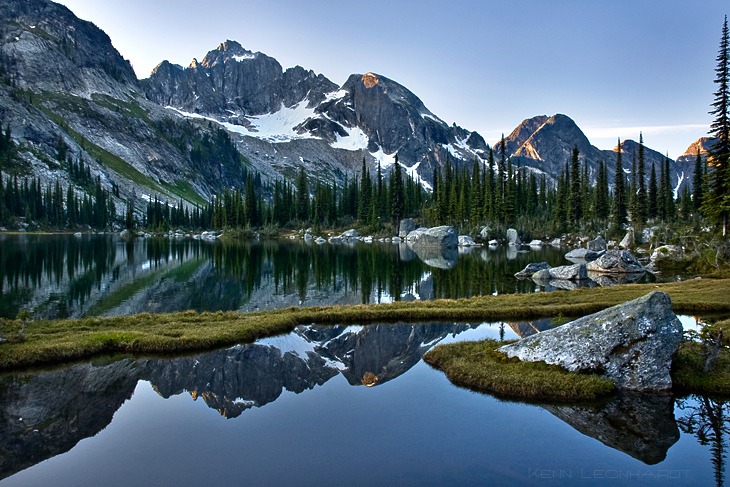
British Columbia is one of the most popular retirement destinations in Canada. The province offers the mildest climate in the country, a coastline that stretches for thousands of kilometres, interior valleys that produce world-class wine and four-season outdoor living, and cities that consistently rank among the best places to live anywhere in North America.
The challenge is that BC is a big, diverse province. Retiring to the Okanagan is a fundamentally different experience than retiring to Victoria, which is different again from settling on the Sunshine Coast or in the Comox Valley.
Climate, cost of living, healthcare access, and community character vary significantly from region to region, and the right choice depends heavily on what you’re actually looking for.
This guide covers eight of the best retirement destinations across BC’s main regions, with current housing data, climate notes, healthcare context, and an honest sense of what daily life is like in each place.
What to Consider When Choosing Where to Retire in BC
Before diving into specific cities and towns, it helps to have a framework for what actually matters in a retirement location. The factors that make a city ideal for a 35-year-old professional are not the same ones that matter most at 65 or 70. Here are the categories worth thinking through before you start shortlisting.
Climate and Weather
BC’s climate varies more than most people realize. The Lower Mainland and Vancouver Island have mild, temperate weather year-round but are also the wettest parts of the province. Victoria and Courtenay sit on the rain-shadow side of the Island and are significantly drier than Nanaimo or the North Shore.
The Okanagan interior offers hot, dry summers and cold but sunny winters, fewer rain days than the coast, but real winter cold if you’re in Kelowna or Vernon rather than Osoyoos. For many retirees, the ability to get outside year-round matters more than the specific temperature, which tends to favour the Island and the southern Okanagan.
Healthcare Access
Healthcare becomes a primary consideration in retirement. BC’s health authorities are organized regionally, and the quality and accessibility of services varies meaningfully across the province. Victoria has two major hospitals, Victoria General and Royal Jubilee, both of which ranked in the top 30 hospitals in Canada in recent assessments. Kelowna General Hospital serves the Okanagan as a regional hub.
Smaller communities like Parksville and Courtenay have local health centres but rely on Nanaimo Regional General Hospital for specialist services, which is typically a 45-minute drive. The further you are from a regional centre, the more this matters for anyone with existing health conditions or who anticipates needing regular specialist care.
Cost of Living and Housing
is substantial. Victoria and the Greater Vancouver area are among the priciest real estate markets in North America. The Okanagan has grown significantly in cost since the pandemic but remains more accessible. Interior cities like Kamloops and Courtenay offer meaningfully more affordable housing than either the coast or the central Okanagan.
If your retirement budget is a primary constraint, the city you choose in BC matters enormously, and we’ve included current housing benchmark figures for each location in this guide.
Vancouver Island
Vancouver Island is the retirement destination that most consistently tops BC rankings. The island has the mildest climate in Canada, a strong sense of community across its many towns and cities, exceptional outdoor access, and a great network of health services relative to its population. A large portion of the island’s population is over 60, which means services, amenities, and community programming genuinely cater to that demographic in ways that younger cities don’t.
The main consideration on the island is housing cost. Victoria and the southern island are expensive by any measure, though still more accessible than Greater Vancouver. The farther north you go on the island, the more affordable it becomes, at the cost of some amenities and remoteness from major services.
Victoria – The Island’s Urban Hub
Victoria is the most consistently recommended retirement city in BC. It combines the walkability, cultural life, and dining scene of a larger city with a scale and pace that feels genuinely livable. The Inner Harbour, Beacon Hill Park, and the historic streets of James Bay and Fairfield give the city a charm that photographs don’t fully capture.
Healthcare is a particular strength: both Victoria General Hospital and Royal Jubilee Hospital are ranked among the top 30 hospitals in Canada, and the city has a strong concentration of specialist services. Victoria also has a strong cycling and walking culture, which supports an active lifestyle well into later years.
The primary drawback is cost Victoria is among the most expensive markets in BC, with single-family homes well above the million-dollar mark in most neighbourhoods.
| Benchmark Home (SFH) | ~$1,330,200 (Victoria Core, March 2026 – Victoria Real Estate Board) |
| Condo Benchmark | ~$553,800 (Victoria Core, March 2026) |
| Climate | Mild and relatively dry; ~330 frost-free days/year |
| Healthcare | Victoria General + Royal Jubilee; both top-30 nationally (Newsweek/Statista 2024) |
| Best For | City amenities, walkability, culture, strong healthcare |
Courtenay / Comox Valley – Affordable Island Living
The Comox Valley, anchored by Courtenay and the adjacent town of Comox, offers much of what draws retirees to Vancouver Island: mild climate, ocean access, mountains, community character, at a significantly lower price point than Victoria. The valley sits on the rain-shadow side of the island, making it one of the drier and sunnier parts of BC’s coast. Retirees here can golf year-round, kayak the straight, ski at Mount Washington (just 45 minutes away), and enjoy a thriving local food scene.
Courtenay has a real downtown with independent shops, restaurants, and live performance venues. The Comox Air Force Museum, the Filberg Heritage Lodge, and a strong arts community give the area cultural depth beyond what you’d expect from a city its size. The Comox Valley airport has direct flights to Vancouver and Calgary, which matters for those wanting to stay connected with family elsewhere in the country.
Healthcare is handled primarily through the North Island Hospital Comox Valley campus, which opened in 2017 and serves as the regional centre for the Comox Valley.
| Benchmark Home (SFH) | ~$834,300 (Comox Valley, early 2026 – VIREB) |
| Climate | Drier than most of the island; mild year-round with warm summers |
| Healthcare | North Island Hospital Comox Valley; Nanaimo RGHB ~1hr for specialists |
| Nearby Recreation | Mount Washington skiing, ocean kayaking, golf, cycling |
| Best For | Active retirees wanting island living at a lower price point |
Parksville / Qualicum Beach – BC’s Retirement Capital
Parksville is often described as the retirement capital of Canada, by having the highest proportion of seniors per capita in the country. The town and its quieter neighbour Qualicum Beach sit on the eastern coast of Vancouver Island and are known for their expansive, sandy beaches protected by a semi-circular cove that keeps the water warmer than anywhere else on the island.
The combination of warm beaches, mild climate, and a community built around an older demographic makes it one of the most genuinely settled retirement communities in the province.
Qualicum Beach in particular has the Heritage Forest with ancient Douglas fir and cedar trees, the Qualicum Beach Memorial Golf Club (one of BC’s oldest), and a charming main street with independent shops and restaurants. Parksville has more commercial density and a slightly busier character, with the Oceanside Health Centre and proximity to Nanaimo Regional General Hospital about 40 minutes south.
| Benchmark Home (SFH) | ~$906,500 (Parksville-Qualicum area, early 2026 – VIREB) |
| Climate | Warm, dry summers; mild winters; warmest ocean beaches on Vancouver Island |
| Healthcare | Oceanside Health Centre (local); Nanaimo Regional General Hospital ~40 min |
| Demographics | Highest concentration of seniors per capita in Canada |
| Best For | Quiet beachside retirement; established senior community; golf and nature |
The Okanagan
The Okanagan Valley is BC’s interior retirement powerhouse. The region is defined by its semi-arid climate: hot, dry summers perfect for outdoor living, and winters that are cold but far sunnier than the coast. It draws retirees who want four seasons without constant rain, who value wine culture, outdoor recreation, and lake-centred living.
The Okanagan saw dramatic price increases during the pandemic, and housing costs remain significantly elevated compared to historical norms. That said, it still offers more value than the Lower Mainland or Victoria for comparable property, particularly if you’re willing to look at smaller communities like Peachland or Oliver rather than central Kelowna.
Kelowna – The Okanagan’s Urban Centre
Kelowna is the largest city in the Okanagan and one of the fastest growing in Canada. For retirees, it offers the most complete urban experience in the interior: a proper downtown with restaurants, galleries, and boutiques; a vibrant waterfront on Okanagan Lake; over 1,400 local businesses; a strong arts and culture scene; and one of the country’s best concentrations of wineries.
The outdoor lifestyle calendar here is exceptional. Summer brings boating, swimming, cycling, golf, and hiking. Winter brings skiing at Big White (45 minutes away) and Nordic skiing on the plateau. Kelowna General Hospital is the regional referral centre for the interior and provides a full range of specialist services. The main challenge for retirement planning in Kelowna is cost: it has become one of BC’s most expensive markets, with single-family home prices well above the million-dollar mark
| Benchmark Home (SFH) | ~$1,179,900 median (Q1 2025 – Royal LePage) |
| Condo / Apartment | ~$488,600 median (Q1 2025 — Royal LePage) |
| Climate | Semi-arid; hot dry summers, cold sunny winters; ~2,000+ sunshine hours/year |
| Healthcare | Kelowna General Hospital – regional referral centre for BC Interior |
| Best For | Active retirees wanting full city amenities with year-round outdoor access |
Vernon – Okanagan Value with Lake Views
Vernon sits at the north end of the Okanagan, backed by the Monashee Mountains. It has the same warm, dry Okanagan climate as Kelowna with meaningfully more accessible housing. The city is large enough to have a complete range of services, shopping, and amenities, while still maintaining a smaller-city character that many retirees actively prefer over Kelowna’s busier pace.
Kalamalka Lake (often called the jewel of the Okanagan for its turquoise colour) is one of the most beautiful lakes in BC, and Vernon residents have it essentially in their backyard.
Silver Star Mountain Resort offers world-class skiing in winter and mountain biking and hiking in summer. The Vernon Jubilee Hospital serves the North Okanagan and has been significantly expanded in recent years. Vernon tends to appear on ‘best value’ retirement lists for the Okanagan, and for good reason.
| Typical Assessed Value (SFH) | ~$721,000 (BC Assessment 2025) |
| Climate | Warm dry summers, cold sunny winters; similar to Kelowna with slightly cooler shoulder seasons |
| Healthcare | Vernon Jubilee Hospital — serves the North Okanagan region |
| Notable Draws | Kalamalka Lake, Silver Star ski resort, three lakes, vineyards |
| Best For | Okanagan lifestyle at better value; lake and mountain access without Kelowna prices |
The BC Interior
Kamloops – Four Seasons in the Heart of BC
Kamloops is one of those cities that tends to surprise people who haven’t spent time there. Sitting at the confluence of the North and South Thompson Rivers in a landscape of rolling grasslands, canyon walls, and pine forests, it has a distinctive character unlike anywhere else in BC.
The climate is dry and sunny, similar to the Okanagan in spirit, though with more distinct seasons and colder winters. Kamloops gets more sunshine days per year than Vancouver by a significant margin.
For retirees, Kamloops offers an appealing combination: the services and amenities of a city of 100,000+ (including a regional hospital, a university, a professional hockey team, multiple golf courses, and a well-developed arts scene), at a housing price point that is substantially more accessible than the coast or central Okanagan.
Sun Peaks Resort, one of BC’s most underrated ski destinations, is 45 minutes away. The Thompson Rivers Arts Centre, Kamloops Art Gallery, and Kamloops Symphony Orchestra provide cultural options that punch well above the city’s size.
| Median Home Price (SFH) | ~$679,900 (Q4 2025 – CREA) |
| Condo / Apartment Median | ~$336,500 (Q4 2025 – CREA) |
| Climate | Dry and sunny; hot summers, cold winters; over 2,000 sunshine hours/year |
| Healthcare | Royal Inland Hospital – regional centre for the Southern Interior |
| Best For | Affordable interior living; active outdoor lifestyle; city services without city prices |
The Sunshine Coast
Sechelt – Coastal Quiet, 40 Minutes from Vancouver
The Sunshine Coast occupies a unique position in BC’s retirement landscape: it’s accessible from Vancouver by a 40-minute ferry crossing, but it feels genuinely remote. Sechelt, the main town on the lower Sunshine Coast, is built around the ocean.
Sechelt has a lively arts community (the Sunshine Coast Festival of the Written Arts is one of the oldest literary festivals in BC) along with a strong local food culture, independent shops, and a genuine small-town pace of life.
Healthcare is provided by Sechelt Hospital for day-to-day needs, with specialist services requiring a ferry trip to Vancouver for more complex care. That ferry dependency is the key trade-off for Sunshine Coast living, as it creates a wonderful buffer from urban bustle, but it also means that spontaneous day trips to Vancouver require more planning than a drive would.
| Median Home Price | ~$900,000 (2024–25 estimates, various sources) |
| Access to Vancouver | BC Ferries from Horseshoe Bay; ~40 min crossing + drive |
| Climate | Mild, west coast; sunnier than Vancouver; beautiful summers |
| Healthcare | Sechelt Hospital (local); Vancouver for specialists via ferry |
| Best For | Retirees wanting true coastal quiet; arts culture; proximity to but separation from Vancouver |
At a Glance: BC Retirement Destinations Compared
Here’s a quick comparison of the eight locations covered in this guide, to help you see the differences side by side. Note that housing prices are benchmarks or medians from late 2025 / early 2026 and will change, treat them as reference points, not current listings.
| City / Area | SFH Price Range | Climate | Best For |
| Victoria | ~$1.3M (benchmark) | Mild, moderate rain | Urban amenities, culture, healthcare |
| Comox Valley | ~$834K (benchmark) | Mild, drier than most of Island | Active living, affordable Island lifestyle |
| Parksville / Qualicum | ~$907K (benchmark) | Warm, sunniest on Island | Beachside retirement community |
| Kelowna | ~$1.18M (median SFH) | Semi-arid, hot summers | Wine country, full city life, skiing |
| Vernon | ~$721K (assessed typical) | Warm, dry, 3 lakes nearby | Okanagan lifestyle, better value |
| Kamloops | ~$680K (median SFH) | Dry, sunny, 4 distinct seasons | Most affordable option, city services |
| Sechelt | ~$900K (est.) | Mild, coastal | Quiet coast, arts, near Vancouver |
British Columbia Is Worth the Move
There’s no single best place to retire in BC, the right answer genuinely depends on what you’re looking for. BC is special as a retirement destination in the first place: extraordinary natural beauty, a climate that supports an active lifestyle year-round, and communities that have genuinely been shaped by the people who chose to be there.
When you’re ready to make the move, Great Canadian Van Lines has been helping Canadians relocate across the country for decades. Whether you’re moving from Ontario to the Okanagan, Alberta to Vancouver Island, or anywhere in between, our team handles every detail of your long-distance move. Get a free estimate today, and let us take care of getting you there.
